
Article · Tea knowledge
Types of Iranian Tea and Their Differences
· 2 min read
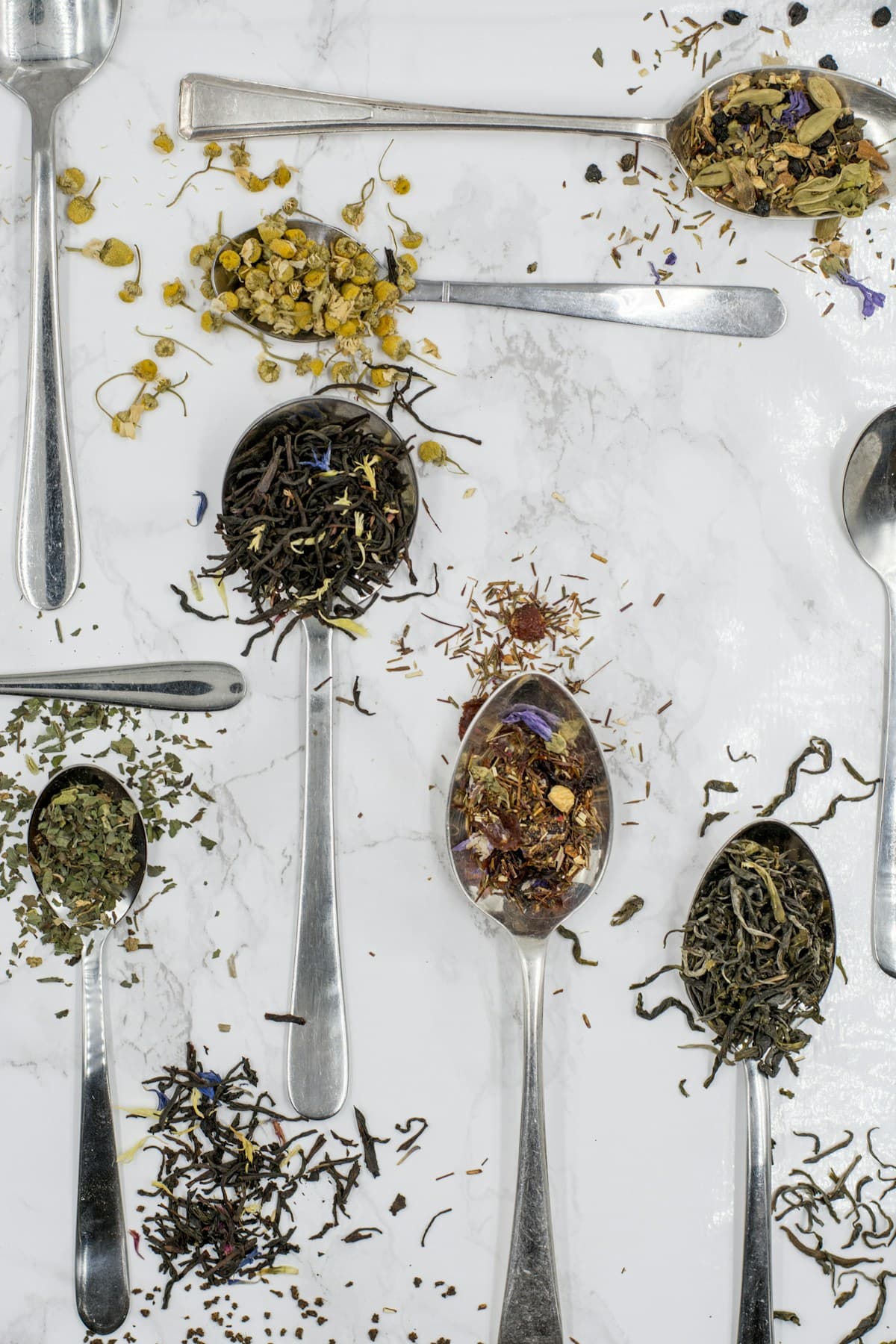
When people talk about "Iranian tea," the image that usually comes to mind is a glass of deep, dark tea. But that's only one side of the story. The gardens of northern Iran, from Gilan to Mazandaran, have long grown several kinds of tea, each with its own processing, colour and character. Knowing the differences helps you choose the cup that's actually closest to your taste.
Black Tea
Black tea is the best-known product of Iran's gardens. Freshly picked leaves are withered, rolled and fully oxidised — and it's this full oxidation that gives black tea its amber colour, strong aroma and rich flavour. Iranian black tea is usually brewed with a little patience in the teapot, and it's the everyday, strong-brew choice for many families. Sehreh's Premium Black Tea comes straight from that first garden harvest.
Green Tea
Green tea comes from the same leaves but takes a different path — the leaf is heated right after picking to stop oxidation. The result is a lighter tea with a milder, slightly grassy taste, less bitterness and a fresher aroma. Green tea suits anyone looking for a lighter pause during the day; Sehreh's Pure Green Tea is a good example of exactly that.
Flavoured Infusions
Another branch of the Iranian tea family is flavoured infusions — black or green tea paired with cardamom, cinnamon or orange blossom for a warmer, more seasonal aroma. These blends are rooted in Iranian hospitality rituals and are often chosen for cold evenings or family gatherings. Sehreh's Orange Blossom Tea is one of the factory's own flavoured infusions.
How to Choose the Right Tea
When choosing a tea, pay attention to three things:
- Harvest time: early-season leaves are usually more delicate and fragrant
- Leaf grade: whole leaf (ghalam) versus broken leaf
- Degree of oxidation: a strong, dark cup versus a lighter, grassier one
If you want a strong, dark cup, go for black tea brewed a little longer; for something lighter, try green tea or a flavoured infusion.
What Does "Authentic" Iranian Tea Actually Mean?
When people say "authentic" (اصیل) Iranian tea, they mean tea with a clear origin: picked from one specific garden, with no artificial additives or colouring, and a short path between garden and package. Unlike blended teas sourced from multiple — sometimes imported — batches, authentic Iranian tea is usually the product of one specific region, mostly Gilan or Mazandaran, and one specific harvest. That clarity of origin is exactly what makes its flavour and quality predictable and trustworthy — something mass-market blends rarely guarantee.
In the end, the best tea is the one that fits your daily rhythm. Sehreh's gardens grow all three — precisely because the ideal cup is different for everyone.